Test for Echo
Album Context
Test for Echo is the album nobody knew would be Rush's last for six years — and the last recorded before tragedy would nearly destroy the band. After a long 18-month break following the Counterparts tour (Geddy Lee wanted to be home for his daughter's first year), the band reconvened at Chalet Studios in October 1995. Lifeson had just finished his solo album Victor; Peart had produced a Buddy Rich tribute album and studied technique with jazz instructor Freddie Gruber, fundamentally changing his approach to traditional grip drumming.
The writing was productive once it found its groove. Lee and Lifeson completed nearly six songs before presenting any to Peart, not wanting to interrupt their creative flow. Inspirational slogans adorned the studio walls, including "Individually we are a ass, together we are a genius" and "If you want something done right, just forget it." The reserved ten-week studio time was finished three weeks early.
Recording took place at Bearsville Studios in upstate New York — chosen because the larger room would capture more size from Peart's drums — and Reaction Studios in Toronto, where it snowed for 40 consecutive days (inspiring the album's Arctic imagery). Engineer Clif Norrell was a longtime Rush fan who had once played their songs in a cover band. Mixing engineer Andy Wallace (Faith No More) was Rush's first American mixer — the band deliberately stayed away during his sessions to hear fresh perspectives.
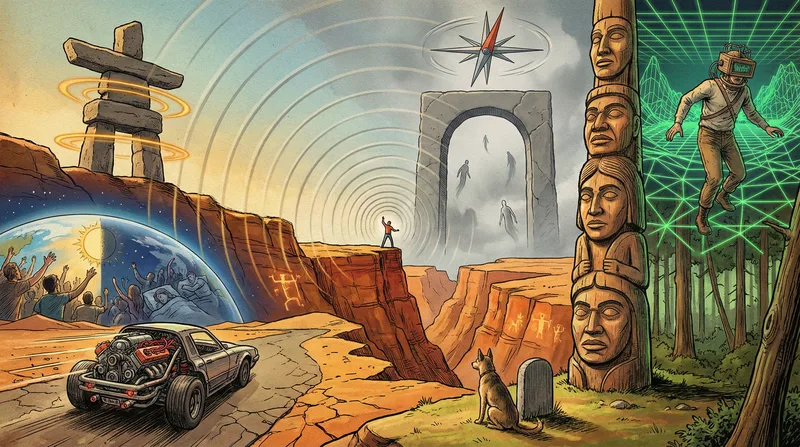
The cover features an inuksuk — an Inuit stone figure used to mark food caches, hunting grounds, or places of significance. The album debuted at #5 on the Billboard 200 and "Test for Echo" hit #1 on the Mainstream Rock chart. But the triumphant "An Evening with Rush" tour (their first without an opening act) would be the last thing Rush did for five years. In August 1997, Peart's daughter Selena was killed in a car accident. Ten months later, his wife Jacqueline died of cancer. Peart later described himself as a "walking ghost." Rush was effectively over — until it wasn't.