Vapor Trails
Album Context
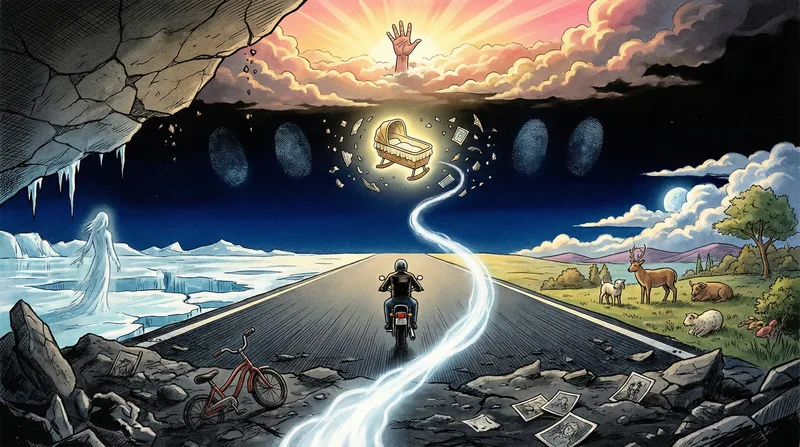
That Vapor Trails exists at all is a miracle. After the Test for Echo tour ended in July 1997, Neil Peart's 19-year-old daughter Selena was killed in a car accident on Highway 401 near Brighton, Ontario. Ten months later, his wife Jacqueline died of cancer. At Selena's funeral, Peart told Lee and Lifeson he was retiring. He described himself as a "walking ghost" and set out on a motorcycle journey covering 55,000 miles across North and Central America over the next three years, chronicled in his book Ghost Rider: Travels on the Healing Road.
During the hiatus, Lee and Lifeson waited. Periodically, Geddy would receive a postcard from some unknown location, signed with one of Neil's nicknames. Lee recorded a solo album (My Favorite Headache, 2000, featuring Ben Mink from the "Losing It" sessions). Then in September 2000, Peart married photographer Carrie Nuttall, and in early 2001 announced he was ready to return. They reunited in January 2001 at Reaction Studios in Toronto with, as Peart described it, "no parameters, no goals, no limitations."
The recording was the longest and most emotionally taxing in Rush's history — 14 months from January to December 2001. Early sessions produced material the band dismissed as "forced." After taking weeks off, they returned and began to hear "songs, not just parts." Crucially, this was the first album since Caress of Steel (1975) with no keyboards whatsoever. Lifeson explained: "I thought it would be more interesting if we created the same things that keyboards were doing with voice or guitar or bass." Peart was influenced by Keith Moon's lyrical drumming style.
The album's production became its most criticized element — a victim of the loudness war, with excessive compression that the band eventually acknowledged. Lifeson admitted they "were never happy with the production" and "should have taken more time." In 2013, the entire album was remixed by David Bottrill as Vapor Trails Remixed. Despite the sonic issues, Vapor Trails reached #6 on the Billboard 200 with 108,000 first-week copies — remarkable for a band that had been silent for five years. The subsequent tour drew the largest audience in Rush history: 60,000 fans in São Paulo, Brazil.