Moving Pictures
Album Context
Moving Pictures is Rush's masterpiece — their biggest commercial triumph and the album where every element of their evolution clicked into perfect focus. The decision to make it was itself a pivotal moment. During a New York tour stop in May 1980, Cliff Burnstein of Mercury Records suggested scrapping plans for a second live album in favor of new studio material. Lifeson later called this the most important decision in the band's history since choosing to record 2112.
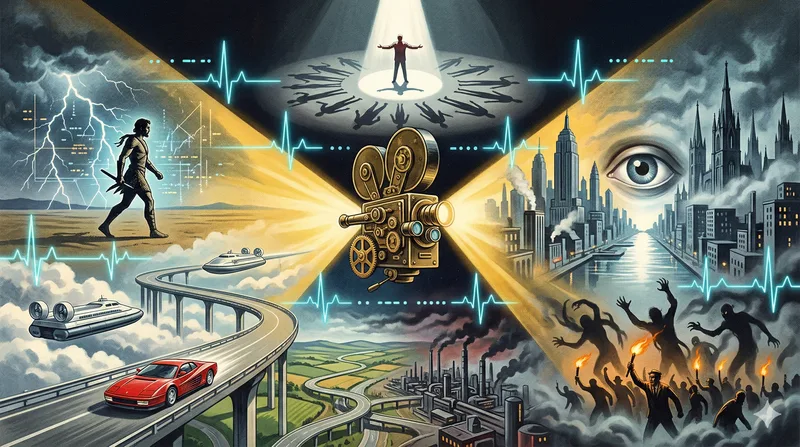
Writing began at Stony Lake, Ontario in August 1980, with "The Camera Eye" the first song developed, followed by "Tom Sawyer," "Red Barchetta," "YYZ," and "Limelight." The lyrics for "Tom Sawyer" came from an unlikely collaboration — Pye Dubois, lyricist of fellow Canadian band Max Webster, had suggested a song he thought suited Rush. Peart took Dubois' words and reworked them into a portrait of a free-thinking "modern day warrior." Lee noticed Peart's lyrics were becoming more concise and direct.
Recorded and mixed at Le Studio from October to November 1980, the production was aided by what the credits playfully called their "computerized companions: Albert, Huey, Dewey and Louie." "Red Barchetta" was recorded in a single take, while "Tom Sawyer" gave them more trouble than any other track. When the mixing computer malfunctioned, they operated the desk manually — each member handling their own faders. Peart described "collapsing afterwards with raw, red, aching hands and feet."
The album cover is a brilliant triple entendre: movers physically moving pictures, people crying because the paintings are emotionally "moving," and on the back cover, a film crew making a "moving picture" of the scene — all shot in front of the Ontario Legislature at Queen's Park. Moving Pictures hit #3 on the Billboard charts and was certified platinum within two months. It eventually sold over five million copies in the U.S. alone, making it Rush's all-time bestseller. In 2020, Rolling Stone ranked it #379 on their 500 Greatest Albums of All Time.